


 Bed
Bed
 Nightstand
 Wall Headboard
 Dressing Table
 Wardrobe
 Mattresses SleepSoul & Homex
 Chest of Drawers
 Bedroom Set
 Ottoman Bench
 Bunk Bed & Kids Bed
 Sectional Sofa
 Sofas & Sofa Bed
 TV Cabinets
 Chaise Lounge
 Hall Cabinets
 Coffee/Center Table
 Dining Table
 Arm Chair
 Daybed
 Deluxe Sofa
 Curtain

How to Maintain Wooden Furniture in UAE Weather

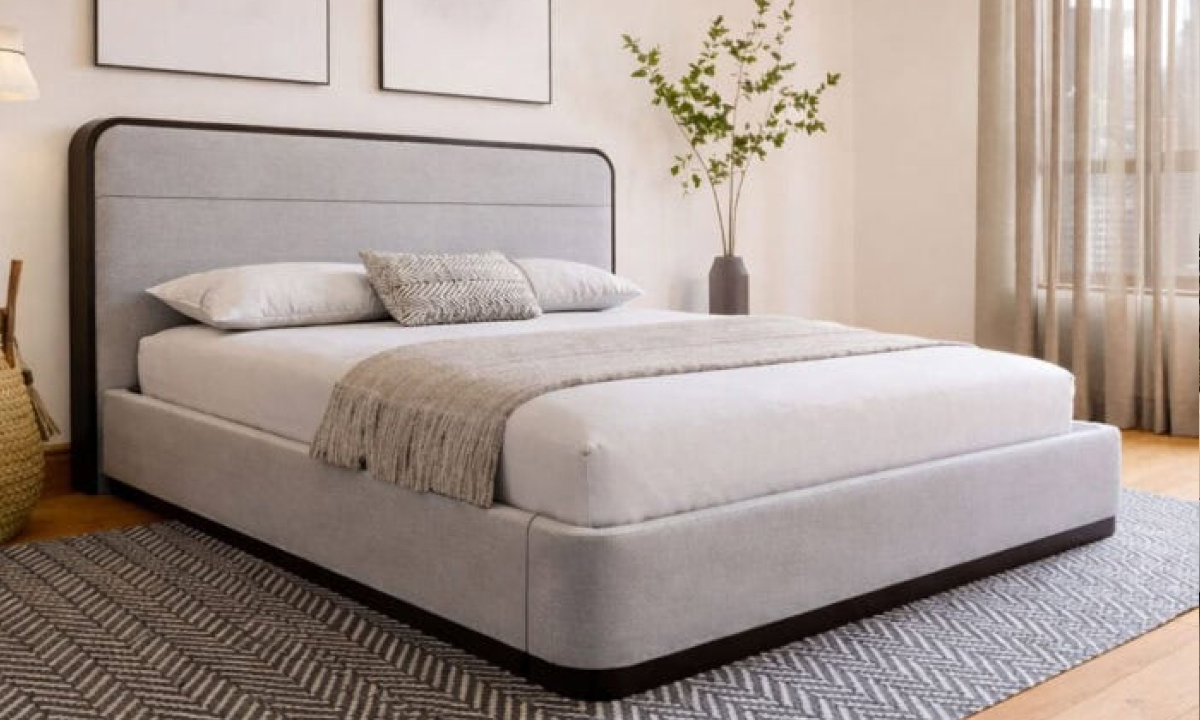
There is something timeless about wooden furniture. Its warmth, its grain, its ability to anchor a room and age gracefully: these are qualities that no synthetic material has fully replicated. But in the UAE, wood faces environmental pressures that most of the world never contends with. Extreme heat, intense UV exposure, fluctuating indoor humidity from aggressive air conditioning, and fine desert dust combine to create one of the most demanding climates on earth for natural materials.
The result, for homeowners who do not have a clear maintenance strategy, is furniture that warps, cracks, fades, and dries out far sooner than it should. A wooden dining table that should serve a family for twenty years begins showing stress fractures within five. A beautifully crafted wooden wardrobe cabinet starts warping at its doors. A wooden bed frame develops fine surface cracks that gradually deepen.
None of this is inevitable. With the right knowledge and a consistent care routine, solid wood furniture can thrive even in the UAE’s demanding climate. This guide covers everything you need to know: the specific threats your furniture faces, the products and techniques that address them, and the habits that separate furniture that lasts a decade from furniture that lasts a lifetime.
Understanding What UAE Weather Actually Does to Wood
Before you can protect your wooden furniture, it helps to understand precisely what you are protecting it against. The UAE’s climate presents three primary threats to wood, and each one operates differently.
Extreme Heat and UV Radiation
Summer temperatures in the UAE regularly exceed 45 degrees Celsius outdoors, and even interior spaces can reach uncomfortable levels when air conditioning is off or underperforming. Wood responds to sustained heat by losing its natural moisture content, becoming brittle, and developing surface cracks. Prolonged UV exposure accelerates this drying process while simultaneously bleaching and greying natural timber finishes. A wooden coffee table positioned near a south-facing window, for example, can show visible fading within a single summer season without appropriate protection.
Air Conditioning and Humidity Fluctuation
This is the threat that most UAE homeowners overlook. Air conditioning dramatically reduces indoor humidity, often dropping relative humidity levels to between 20% and 35%. Wood is hygroscopic, meaning it continuously absorbs and releases moisture from its surrounding environment. In very dry conditions, it releases moisture faster than it absorbs it, causing the wood fibres to contract. This repeated contraction and expansion as rooms cycle between air-conditioned and natural states is a primary driver of warping, joint failure, and surface cracking in indoor furniture.
As detailed in the Wikipedia overview of furniture preservation, controlling relative humidity between 45% and 55% is considered the gold standard for preserving wood in interior environments. In the UAE, achieving and maintaining this range requires deliberate effort, but it makes a measurable difference to how your furniture ages.
Fine Desert Dust
Shamal winds carry fine particulate matter that settles on every surface, and wood’s natural texture gives it more surface area for dust to accumulate than glass or metal. Left unaddressed, this dust acts as a gentle but persistent abrasive, dulling finishes over time. It also traps moisture against the wood surface during rare periods of high humidity, which can encourage mould growth in porous or unfinished sections.
Essential Wooden Furniture Care Habits for UAE Homes
Effective wooden furniture care in the UAE is less about dramatic interventions and more about consistent small habits. The homeowners whose furniture ages best are almost always those who have built a simple routine around a few well-chosen products and practices.
Dusting Correctly and Consistently
This sounds basic, but dusting technique matters more than most people realise. Using a dry cloth on wood creates static that attracts more dust and can cause micro-scratches on polished surfaces over time. The correct approach is a slightly damp microfibre cloth, wrung out until no moisture transfers when you press it against your palm. Wipe with the grain of the wood rather than against it, and follow immediately with a dry cloth to lift any remaining moisture.
Frequency matters too. In the UAE, weekly dusting is the minimum appropriate schedule for pieces in regularly used rooms. Pieces near windows, in high-traffic areas, or close to air conditioning vents may need attention every three to four days during dusty seasons.
Conditioning the Wood Regularly
Wood conditioner or furniture oil is to solid wood furniture what moisturiser is to skin: it replenishes the natural oils that heat and dry air draw out, keeping the wood supple and crack-resistant. In the UAE climate, conditioning should be carried out every two to three months for pieces in air-conditioned rooms, and monthly for any furniture in spaces that experience temperature extremes.
The right product depends on your wood type and finish. Teak oil works well on teak and similar dense hardwoods. Danish oil provides good penetration for open-grained woods like oak and walnut. Beeswax-based products offer a more natural alternative with good surface protection. Avoid silicone-based polishes on quality wood: they create a surface film that prevents the wood from breathing and can build up into a sticky residue over time.
Protecting Against Heat and Sunlight
Direct sunlight is one of the fastest ways to age wooden furniture prematurely in the UAE. Wherever possible, position pieces away from direct sun exposure, particularly during the intense midday and afternoon hours. UV-filtering window films are an excellent investment for homes with large glass facades: they dramatically reduce UV penetration without significantly affecting natural light quality or views.
For tabletop surfaces, always use heat-protective trivets and coasters. A hot ceramic dish placed directly on a wooden dining table can cause immediate surface damage: white heat marks, raised grain, or blistered finish. Even glasses with condensation leave ring marks that require professional intervention to remove from deeply penetrated wood surfaces.
Room-by-Room Wooden Furniture Care in the UAE
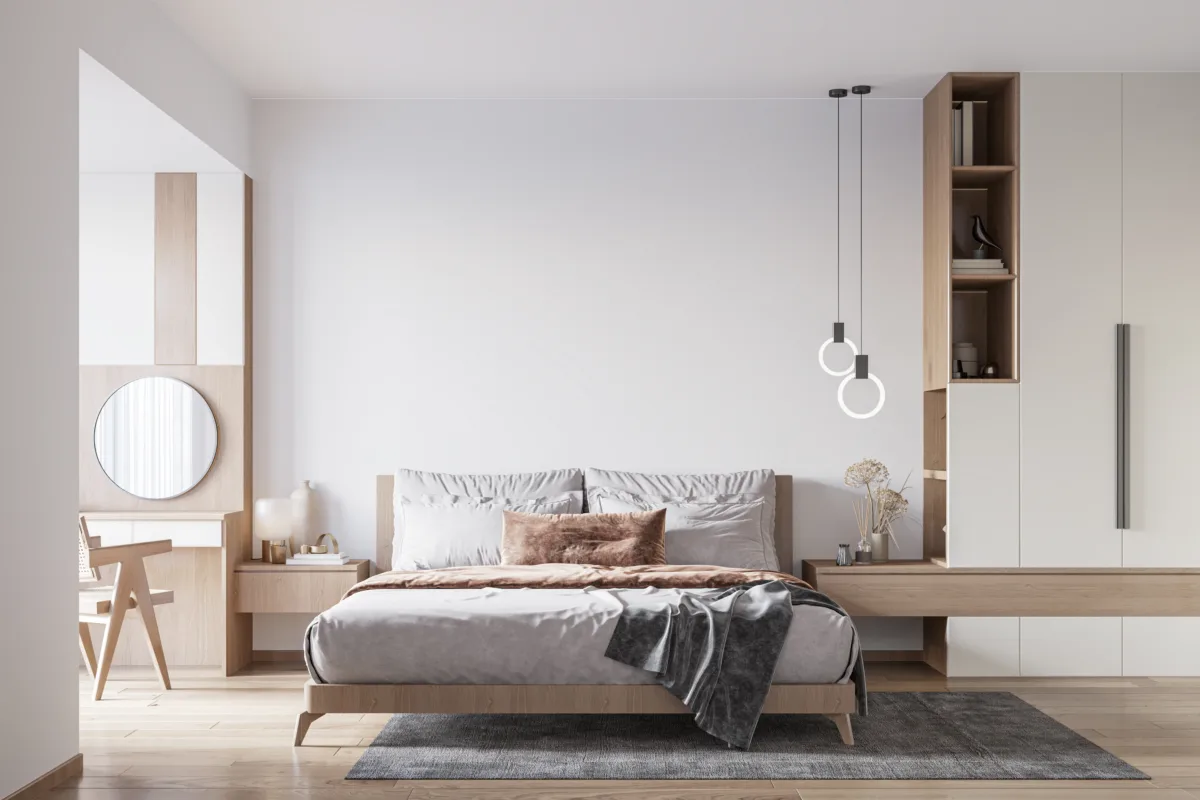
Caring for Your Wooden Bed Frame
A wooden bed frame is typically the largest and most structurally complex wooden piece in a home. It bears significant weight daily and sits in a bedroom environment that can fluctuate considerably in humidity as people sleep (generating moisture) and during the day when air conditioning is active. This cycle of expansion and contraction makes bed frames particularly susceptible to joint loosening over time.
Check the joinery of your bed frame every six months. If joints feel loose, do not ignore them: a creaking bed frame under load puts stress on the wood itself, and what begins as a minor joint movement can progress to a structural failure. Tighten any accessible bolts and use appropriate wood glue for non-bolted joints. Condition the exposed wood surfaces every quarter, paying particular attention to the headboard, which is most directly exposed to body heat and any wall proximity that limits airflow.
Our range of wooden beds and bed frames is crafted from quality hardwoods selected for their structural integrity in demanding climates, giving your maintenance efforts the best possible foundation to build on.
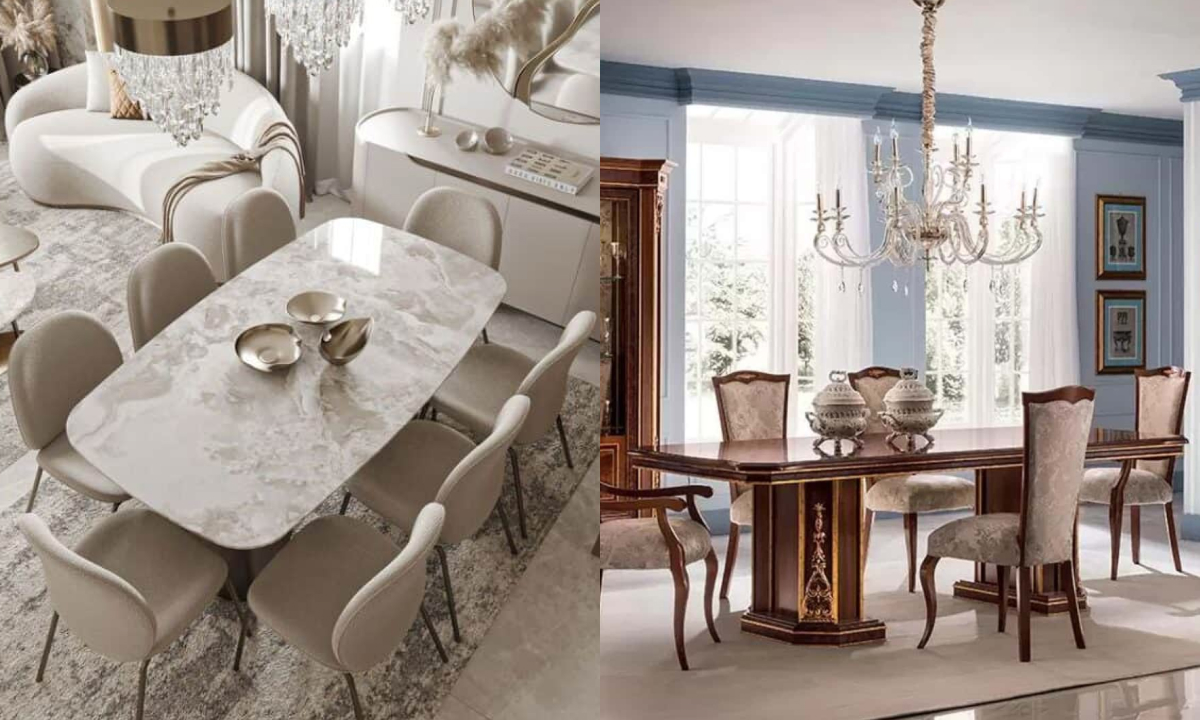
Maintaining a Wooden Dining Table
The wooden dining table endures more daily contact than almost any other piece of furniture in a home. Meals, homework sessions, laptop use, crafting: the table surface faces constant mechanical and thermal stress. In the UAE, protecting the finish is the priority, because once a dining table’s factory finish is compromised, moisture and heat penetrate far more aggressively into the underlying wood.
Use a quality tablecloth or table runner for everyday meals, removing it periodically to let the wood breathe and checking the surface beneath for any moisture accumulation. For the exposed finish, a food-safe wood oil or wax product applied every two to three months will significantly extend the life of the surface. If surface scratches appear, a wood repair marker or paste wax in a matching tone can conceal minor damage before it becomes a deeper groove.
Looking After a Wooden Wardrobe Cabinet
A wooden wardrobe cabinet presents specific challenges because of its internal environment. Clothing and bedding stored inside generate moisture through residual perspiration, and in a sealed wardrobe, this moisture has limited opportunity to escape. Over time, this internal humidity differential can cause the cabinet’s interior panels to swell while the exterior dries, creating stress within the wood and misalignment in doors and drawers.
Leave wardrobe doors slightly ajar when not in active use to allow air circulation. Avoid overpacking, which prevents airflow and traps moisture within the stored items. Clean the interior with a dry cloth every few weeks and apply a very light application of wood conditioning oil to interior panels annually. For sliding door wardrobes, keep the track mechanism clean and lubricated to prevent the door mechanism from pulling against warped panels as they flex with seasonal changes.
Protecting a Wooden Coffee Table
The wooden coffee table is among the most exposed pieces in any living room, positioned in the centre of daily activity and often subject to drinks, remote controls, books, and decorative items placed directly on its surface. In UAE homes with direct sunlight exposure through living room windows, it also faces more UV damage than almost any other interior piece.
A quality polyurethane or lacquer finish provides the best protection for a frequently used coffee table surface. If your table has an oiled or waxed finish, reapplication every six to eight weeks during peak heat months will maintain the protective barrier. Always use coasters and avoid placing electronic devices that generate heat directly on the surface for extended periods.
Browse our wooden coffee table collection, featuring solid hardwood options with finishes engineered for the demands of UAE interior environments.
UAE Wooden Furniture Care: Seasonal Quick Reference
The table below summarises the core wooden furniture care actions by season and frequency, giving you a practical at-a-glance schedule for keeping your pieces in excellent condition year-round.
| Task | Recommended Frequency |
| Dust with damp microfibre cloth | Weekly (every 3-4 days near vents) |
| Apply wood conditioner or oil | Every 2-3 months (monthly in extreme heat) |
| Check and tighten bed/chair joints | Every 6 months |
| Clean with mild wood-safe cleaner | Monthly |
| Inspect finish for cracks or lifting | Every 3 months |
| Polish with protective wax | Every 3-4 months |
| Check wardrobe door alignment | Every 6 months |
| Professional refinishing if needed | Every 5-8 years |
When to Restore vs Replace Your Wooden Furniture
Even with excellent care, wooden furniture will eventually show its age. Knowing when a piece can be restored and when it has reached the end of its serviceable life is an important part of being a confident furniture owner.
Surface damage, including scratches, dullness, minor water rings, and faded finish, is almost always restorable. Light sanding with progressively finer grit sandpaper, followed by the appropriate finish coat, can return a tired surface to near-original condition. The Wikipedia guide to conservation and restoration of wooden furniture outlines the professional techniques used for more serious restoration work, including grain filling, toning, and refinishing methods that can revive even significantly weathered pieces.
Structural damage is a different matter. Deeply cracked frames, failed joints that cannot be re-glued effectively, and warped panels that have distorted beyond the point of functional use typically indicate that replacement is the more cost-effective path. A professional furniture restorer can advise on the realistic cost and outcome of restoration versus replacement for any specific piece.
How to Buy Wooden Furniture in Dubai That Lasts
The maintenance advice in this guide works best when your wooden furniture was well-made to begin with. Solid wood furniture constructed from quality hardwoods with appropriate joinery and finish will respond to care routines dramatically better than furniture built from low-grade engineered board with a wood-effect veneer.
When you buy wooden furniture Dubai residents should look for the following quality indicators before committing to any significant purchase. First, ask specifically whether the piece is solid wood or engineered board: the distinction matters enormously for longevity and restorability. Second, check the joinery at corners and joints: mortise and tenon or dowel joints indicate quality construction; staples and thin nails do not. Third, examine the finish: a quality factory finish should be even, smooth to the touch, and free from bubbling, streaking, or visible brush marks.
At Homex, our wooden furniture range is selected with the UAE climate specifically in mind. From wooden beds and wooden wardrobe cabinets to dining tables and accent pieces, each product is assessed for the structural and finish quality that makes the difference between furniture that thrives and furniture that merely survives in this environment.
Explore our full range of bedroom wooden furniture, including beds, wardrobes, and dressing tables built for lasting performance. And when you are ready to find your next piece, our team at Homex UAE is here to help you choose furniture that will still be serving your home years from now.
Conclusion: The Right Care Makes All the Difference
The UAE’s climate is undeniably demanding on natural materials, but it does not make beautiful, long-lasting solid wood furniture an unrealistic aspiration. What it does demand is a level of informed, consistent care that takes the specific pressures of extreme heat, dry air, and intense UV into account.
The fundamentals are straightforward: dust regularly and correctly, condition the wood every two to three months, protect surfaces from direct heat and sunlight, manage your indoor humidity wherever possible, and address minor damage before it becomes major damage. A wooden dining table, a wooden coffee table, a beautifully crafted wooden wardrobe cabinet: all of these can age with grace and character in the UAE, becoming pieces that tell the story of a home rather than wear it as damage.Invest in quality from the beginning, build a simple care routine, and your wooden furniture will reward you with decades of beauty and function that no synthetic alternative can match.




 Sectional Sofa
 Sofas & Couches
 Tv-unit
 Chaise Lounge
 Hall Cabinets
 Coffee & Center Table
 Dining Table
 ArmChair
 Daybed
 Curtain
 Beds
Beds Nightstand
 Wall Headboard
 Dressing Table
 Wardrobes
 Mattresses
 Chest of Drawers
 Bedroom Set
 Ottoman Bench