


 Bed
Bed
 Nightstand
 Wall Headboard
 Dressing Table
 Wardrobe
 Mattresses SleepSoul & Homex
 Chest of Drawers
 Bedroom Set
 Ottoman Bench
 Bunk Bed & Kids Bed
 Sectional Sofa
 Sofas & Sofa Bed
 TV Cabinets
 Chaise Lounge
 Hall Cabinets
 Coffee/Center Table
 Dining Table
 Arm Chair
 Daybed
 Deluxe Sofa
 Curtain

How to Mix and Match Furniture Styles Without Ruining Your Interior Design

Creating a beautiful home is no longer about sticking to one rigid furniture style. Today’s most appealing spaces blend different influences to create something personal, layered, and visually interesting. But here’s the challenge: mixing styles can either elevate your space or completely ruin it.
If you’ve ever wondered how to combine modern, classic, or contemporary elements without making your home feel chaotic, you’re not alone. This guide breaks down exactly how to mix and match furniture style like a professional, while keeping your interiors cohesive, stylish, and functional.
Why Mixing Furniture Styles Works in Modern Homes
Modern home interiors are evolving. People no longer want showroom-like spaces that feel staged or predictable. Instead, they prefer homes that reflect personality and lifestyle.
According to design fundamentals outlined in Wikipedia – Principles of Design, balance, harmony, contrast, and proportion are key elements that make any design visually appealing. When applied correctly, mixing furniture styles actually enhances these principles rather than breaking them.
In cities like Dubai, where diverse cultures influence furniture styles UAE, blending styles has become a defining trend. From minimalist apartments to luxury villas, mixed-style interiors are everywhere.
Start with a Dominant Furniture Style
The biggest mistake people make is trying to mix too many styles at once without a foundation.
Instead, choose one dominant furniture style that sets the tone of your space. This could be:
- Modern
- Contemporary
- Scandinavian
- Classic
- Industrial
Once you have a base style, you can layer other elements around it.
For example, if your base is modern interior design, you can introduce vintage or rustic accents to add warmth and depth.
If you’re furnishing your home from scratch, exploring curated collections like Homex Deals can help you build a cohesive starting point before mixing styles.
Stick to a Consistent Color Palette
Color is the glue that holds different furniture styles together.
Even if your furniture pieces come from different eras or design philosophies, a unified color palette creates harmony. This is one of the most effective interior design ideas used by professionals.
Tips to maintain color consistency:
- Choose 2 to 3 main colors and repeat them across the space
- Use neutral tones like beige, grey, or white as a base
- Add accent colors through home decor items like cushions, rugs, and artwork
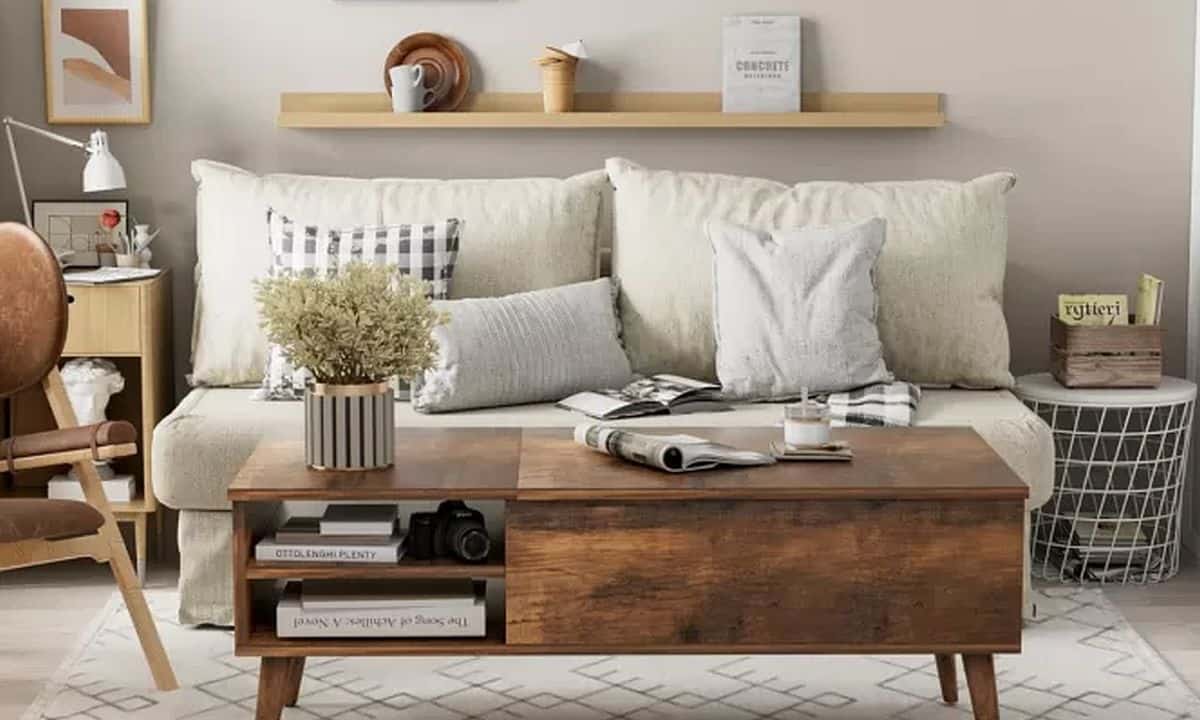
For example, a modern sofa paired with a vintage wooden coffee table works beautifully if both share similar color tones.
Balance Proportions and Scale
Mixing furniture styles is not just about aesthetics. It’s also about proportion.
According to What is Interior Design, spatial planning and scale are essential to creating functional and visually pleasing interiors.
What to keep in mind:
- Avoid pairing oversized furniture with delicate pieces
- Maintain similar heights and visual weight
- Ensure enough spacing between items
A bulky sectional sofa combined with slim, minimal chairs can look mismatched if not balanced properly.
To avoid this, browse structured categories like Living Room Furniture where proportions are already thoughtfully designed.
Mix Textures, Not Just Styles
One of the easiest ways to combine furniture styles without clashing is by focusing on textures.
Instead of forcing different styles together, let materials do the work.
Examples of texture mixing:
- Leather sofa with a fabric armchair
- Wooden dining table with metal chairs
- Glossy finishes paired with matte surfaces
This approach creates depth and interest without overwhelming the space.
In modern home interiors, texture often matters more than style labels.
Use Statement Pieces Strategically
When mixing furniture styles, you need a focal point.
A statement piece anchors the room and makes the mix feel intentional rather than random.
Examples of statement pieces:
- A bold sofa
- A unique coffee table
- An artistic bed frame
- A designer light fixture
Once you have your statement piece, build around it with complementary elements.
For example, a contemporary sofa can be paired with classic side tables and modern decor items, as long as the overall balance is maintained.
If you’re looking for standout options, explore collections at Shop Homex Furniture Online for inspiration.
Follow the 80/20 Rule
A simple rule used by interior designers is the 80/20 principle.
- 80% of your space should follow one dominant style
- 20% can introduce contrast or variation
This keeps your interior cohesive while still allowing creativity.
For example:
- 80% modern furniture
- 20% vintage or industrial accents
This approach works particularly well in modern interior design, where subtle contrasts add character without disrupting harmony.
Create Visual Connections Between Pieces
When mixing styles, the goal is to create relationships between furniture pieces.
Ways to connect different styles:
- Repeat shapes or patterns
- Use similar materials in different items
- Match finishes like wood tones or metals
For instance, if you have a wooden dining table, you can tie it to a modern sofa by adding wooden legs or accents.
This creates continuity across the space, making everything feel intentional.
Avoid Overcrowding Your Space
Mixing furniture styles does not mean filling every corner with different pieces.
In fact, less is more.
Overcrowding can make even well-designed interiors feel messy and confusing.
Keep your space clean by:
- Leaving breathing room between furniture
- Avoiding too many statement pieces
- Choosing functional over decorative clutter
If you’re designing a bedroom, explore structured layouts like those in Bedroom Furniture Collections to maintain simplicity and elegance.
Incorporate Home Decor Items Thoughtfully
Home decor items play a crucial role in tying everything together.
They act as bridges between different furniture styles.
Use decor to unify your space:
- Rugs to define areas
- Cushions to repeat colors
- Artwork to create focal points
- Lighting to enhance ambiance
For more inspiration on choosing the right pieces, check out this detailed guide on The Best Furniture Items in the UAE.
Common Mistakes to Avoid
Even with the best intentions, mixing furniture styles can go wrong. Here are some common pitfalls:
1. Mixing Too Many Styles
Stick to two or three styles maximum.
2. Ignoring Functionality
Your space should not only look good but also work for daily living.
3. Lack of Cohesion
Without a unifying element like color or texture, your space may feel disjointed.
4. Overusing Trends
Trendy pieces should complement your design, not dominate it.
How Furniture Packages Can Simplify the Process
If you find mixing styles overwhelming, furniture packages are a great solution.
Options like furniture packages Dubai offer curated combinations that already follow design principles. You can then personalize the space with smaller decor elements.
This approach saves time and reduces the risk of mismatched interiors.
Final Thoughts
Mixing and matching furniture styles is an art, but it doesn’t have to be complicated. When done correctly, it creates interiors that are unique, stylish, and full of character.
The key is to stay intentional. Choose a dominant furniture style, maintain a consistent color palette, balance proportions, and use decor strategically. Focus on harmony rather than perfection.
Modern homes are all about personalization. By applying these principles, you can confidently combine different furniture styles UAE and create a space that reflects your taste without compromising on design.
Whether you’re redesigning a single room or furnishing an entire home, the right balance will always make your interiors stand out.
 Sectional Sofa
 Sofas & Couches
 Tv-unit
 Chaise Lounge
 Hall Cabinets
 Coffee & Center Table
 Dining Table
 ArmChair
 Daybed
 Curtain
 Beds
Beds Nightstand
 Wall Headboard
 Dressing Table
 Wardrobes
 Mattresses
 Chest of Drawers
 Bedroom Set
 Ottoman Bench